Sustainable fashion in Nairobi is transforming how people buy, wear, and value clothing. Today, more shoppers prefer quality over quantity. As a result, ethical fashion continues to gain popularity across the city. Local designers, thrift stores, and eco-conscious brands now offer stylish alternatives to fast fashion. Moreover, consumers increasingly understand the environmental and social impact of their clothing choices.
If you want to build a stylish wardrobe while protecting the environment, Nairobi offers countless opportunities. Therefore, choosing sustainable fashion has never been easier.
What Is Sustainable Fashion in Nairobi?
Sustainable fashion in Nairobi refers to clothing produced, sold, and consumed responsibly. It focuses on reducing waste, protecting natural resources, and supporting fair labor practices. Additionally, it encourages consumers to purchase durable clothing instead of disposable fashion.
Many Kenyan designers now use organic cotton, recycled materials, and locally sourced fabrics. Consequently, shoppers enjoy fashionable pieces while supporting local businesses and reducing carbon emissions.
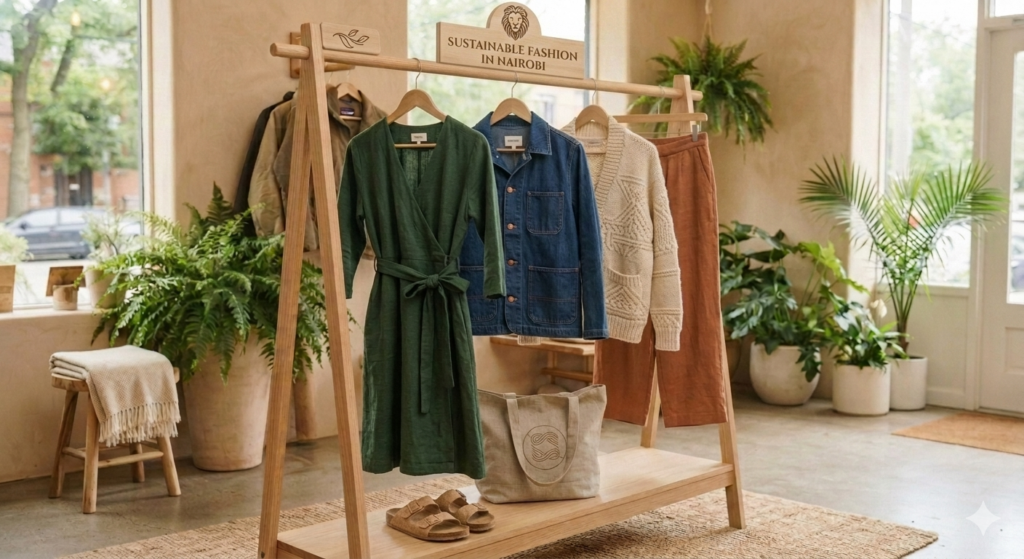
Key Features of Sustainable Fashion
- Eco-friendly materials
- Ethical production practices
- Fair wages for workers
- High-quality craftsmanship
- Long-lasting clothing
- Reduced textile waste
These principles help create a healthier fashion industry for both people and the planet.
Why Sustainable Fashion in Nairobi Is Growing
Several factors continue driving the growth of sustainable fashion in Nairobi. First, environmental awareness has increased significantly. Secondly, consumers now value transparency from clothing brands. Furthermore, young professionals actively support businesses with ethical values.
Social media has also influenced buying habits. Many influencers now promote thrift shopping, local designers, and environmentally friendly brands. Consequently, sustainable fashion reaches a wider audience every day.
Environmental Benefits
Fast fashion creates enormous textile waste every year. However, sustainable fashion reduces pollution by encouraging responsible production and consumption. Additionally, eco-friendly materials require fewer natural resources.
By buying sustainable clothing, Nairobi residents help:
- Reduce landfill waste
- Lower water pollution
- Minimize carbon emissions
- Protect wildlife habitats
- Conserve natural resources
Therefore, every purchase contributes to a cleaner environment.
Best Ways to Shop Sustainable Fashion in Nairobi
Finding sustainable clothing has become easier than ever. Fortunately, Nairobi offers many shopping options for environmentally conscious consumers.
Shop at Thrift Markets
Second-hand clothing remains one of the most sustainable choices available. Nairobi’s famous thrift markets provide affordable, unique, and fashionable clothing.
Benefits include:
- Affordable prices
- Unique fashion finds
- Reduced clothing waste
- Extended product life
Moreover, thrift shopping helps reduce demand for mass-produced clothing.
Support Local Fashion Designers
Many Kenyan designers create beautiful collections using sustainable materials. They also prioritize ethical production methods. As a result, customers receive quality garments while supporting local talent.
Buying locally also strengthens Kenya’s economy. Furthermore, it reduces transportation emissions associated with imported clothing.
Choose Quality Instead of Quantity
Buying fewer high-quality pieces saves money over time. Although premium clothing may cost more initially, it lasts much longer.
A timeless wardrobe offers several advantages:
- Less frequent shopping
- Better clothing durability
- Lower environmental impact
- Improved personal style
Consequently, investing in quality becomes a smart financial decision.
How Sustainable Fashion Supports Nairobi’s Economy
Sustainable fashion in Nairobi creates opportunities for local artisans, tailors, and designers. Instead of relying on imported products, consumers support businesses within their communities.
Additionally, ethical fashion brands often employ skilled workers under fair conditions. Therefore, the industry promotes better livelihoods while encouraging responsible business practices.
Local production also keeps money circulating within Kenya. As a result, communities experience stronger economic growth.
Simple Tips for Building a Sustainable Wardrobe
Creating a sustainable wardrobe does not require replacing everything immediately. Instead, make gradual improvements with every purchase.
Buy Only What You Need
Avoid impulse shopping whenever possible. Instead, choose versatile clothing that matches multiple outfits.
Take Care of Your Clothes
Proper washing and storage extend garment life. Additionally, repairing damaged clothing prevents unnecessary waste.
Donate Unwanted Clothing
Rather than throwing clothes away, donate them to charities or resale shops. Consequently, someone else can continue using them.
Recycle Old Fabrics
Some worn-out clothing can become cleaning cloths, shopping bags, or creative home projects. Therefore, recycling reduces landfill waste.
The Future of Sustainable Fashion in Nairobi
The future looks promising for sustainable fashion in Nairobi. Consumer awareness continues growing every year. Meanwhile, more fashion businesses adopt environmentally responsible practices.
Technology also supports sustainability. Many brands now use digital production methods to reduce waste. Furthermore, online platforms connect customers directly with ethical fashion brands.
Government initiatives and environmental campaigns also encourage responsible consumption. Consequently, sustainable fashion continues becoming part of everyday life.
Young entrepreneurs remain at the center of this movement. They introduce innovative designs while embracing environmentally friendly production methods. Therefore, Nairobi is quickly becoming a leading hub for sustainable fashion in East Africa.
Why Every Consumer Should Choose Sustainable Fashion
Every purchase influences the future of the fashion industry. Choosing sustainable fashion in Nairobi supports ethical businesses, protects natural resources, and promotes responsible consumption.
Small changes create meaningful results over time. For example, buying second-hand clothing, supporting local designers, and choosing durable garments all reduce environmental impact. Additionally, these choices encourage businesses to adopt sustainable practices.
As more consumers embrace ethical fashion, Nairobi continues moving toward a greener and more responsible future.
Leave a Reply