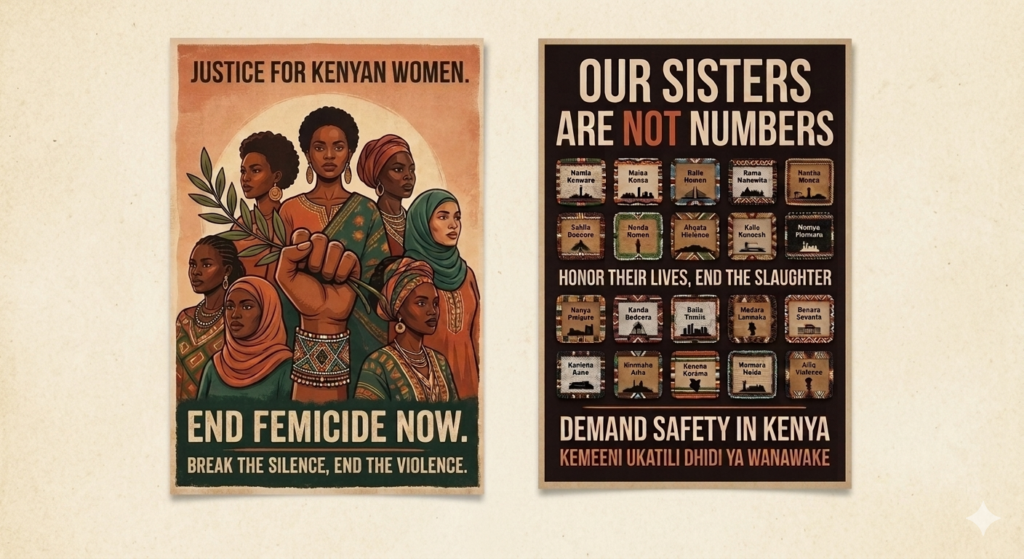
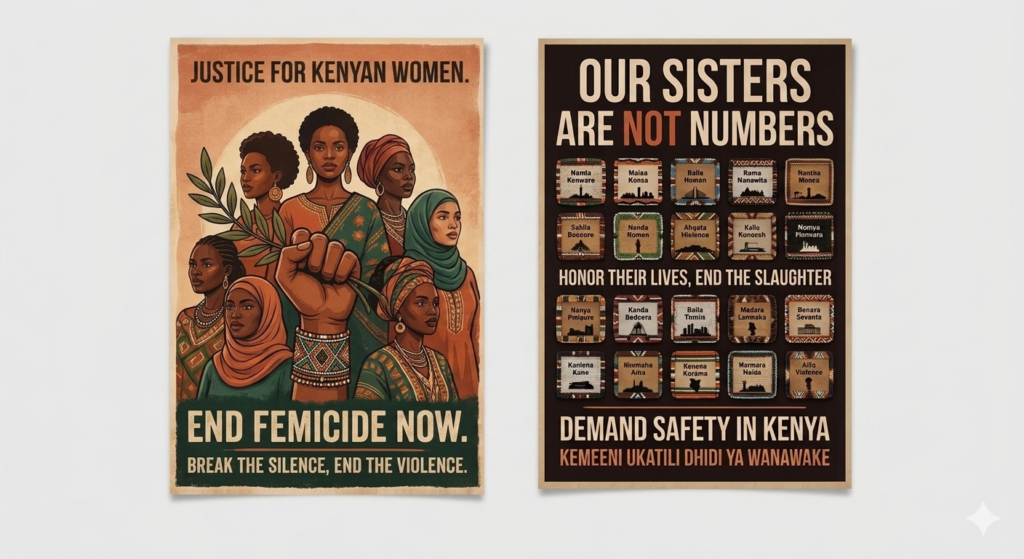
Feminicide in Kenya has become one of the country’s most alarming human rights concerns. Every year, more women lose their lives because of gender-based violence. These deaths often happen at the hands of intimate partners, family members, or people known to the victims.
Moreover, many cases receive limited attention before they fade from public discussion. As a result, families continue to suffer while communities struggle with fear and uncertainty. Therefore, addressing feminicide in Kenya requires urgent action from individuals, communities, and institutions.
What Is Feminicide in Kenya?
Feminicide in Kenya refers to the intentional killing of women and girls because of their gender. Unlike ordinary homicide, feminicide is driven by gender inequality, discrimination, and violence against women.
Furthermore, these crimes often involve domestic violence, sexual abuse, controlling relationships, or harmful cultural beliefs. Consequently, women remain vulnerable despite existing legal protections.
In many situations, warning signs appear long before the tragedy occurs. However, victims frequently lack adequate protection or support.
Gender-Based Violence and Feminicide in Kenya
Gender-based violence remains one of the leading causes of feminicide in Kenya. Many abusive relationships begin with emotional manipulation before escalating into physical violence.
Eventually, repeated abuse can end in fatal attacks. Therefore, early intervention is essential.
Domestic Violence and Gender-Based Killings
Domestic violence continues to fuel gender-based killings across Kenya. Sadly, many survivors stay in abusive relationships because of financial dependence, fear, or social pressure.
Additionally, limited access to safe shelters makes escaping dangerous situations even harder.
Patriarchal Beliefs and Violence Against Women
Deep-rooted patriarchal attitudes continue to normalize male dominance. Consequently, some perpetrators believe they have control over women’s decisions and lives.
Such harmful beliefs contribute directly to violence against women in Kenya.
Weak Law Enforcement and Feminicide Cases
Although Kenya has laws addressing gender-based violence, enforcement often remains inconsistent.
Furthermore, delayed investigations and slow court processes reduce public confidence in the justice system. As a result, some offenders avoid accountability.
Families Affected by Feminicide in Kenya
Every case of feminicide in Kenya leaves lasting emotional scars. Children often lose mothers, caregivers, and role models.
Meanwhile, extended families experience grief, trauma, and financial hardship.
Communities Living in Fear
Communities also suffer after repeated reports of gender-related killings. Women may limit their movement because they fear becoming victims.
Consequently, public confidence in safety continues to decline.
Economic Effects of Gender-Based Violence
Gender-based violence affects productivity and economic growth. Healthcare costs increase while families lose income after tragic incidents.
Moreover, employers lose valuable workers, reducing overall economic development.
Warning Signs of Feminicide in Kenya
Recognizing early warning signs can save lives. Some common indicators include:
- Repeated threats or intimidation.
- Physical or emotional abuse.
- Extreme jealousy and possessiveness.
- Isolation from friends and family.
- Stalking or constant monitoring.
- Forced financial dependence.
- Previous violent behavior.
Therefore, family members and friends should never ignore these warning signs.
How Kenya Can Prevent Feminicide
Strengthening Laws Against Feminicide in Kenya
The government should strengthen investigations and ensure faster prosecution of offenders.
Additionally, courts should prioritize cases involving gender-based violence.
Improving Support Services for Victims
Survivors need safe shelters, counseling, legal aid, and emergency hotlines.
Furthermore, affordable healthcare and psychological support can help victims rebuild their lives.
Community Awareness on Violence Against Women
Public education remains one of the strongest tools against feminicide in Kenya.
Schools, religious organizations, and community groups should educate people about healthy relationships and gender equality.
As a result, harmful stereotypes can gradually disappear.
Encouraging Men to Prevent Feminicide in Kenya
Men have an important role in ending violence against women. Fathers, brothers, teachers, and community leaders should challenge harmful attitudes.
Moreover, positive male role models can inspire healthier relationships and respectful behavior.
Responsible media coverage can increase awareness and encourage action. Journalists should report cases ethically while protecting victims’ dignity.
Furthermore, media organizations should educate the public about available support services and legal rights.
Balanced reporting also encourages meaningful national conversations about preventing gender-based killings.
Ending feminicide in Kenya requires collective responsibility. Government agencies, civil society organizations, families, and citizens must work together.
Additionally, stronger institutions, public awareness, and community support can reduce violence against women.
Every woman deserves to live free from fear. Therefore, preventing feminicide in Kenya must remain a national priority. Through education, justice, accountability, and community action, Kenya can create a safer future for women and girls.
Leave a Reply