Poor Road Infrastructure in Kenya remains one of the country’s biggest challenges, affecting transportation, economic growth, public safety, and access to essential services. Every day, millions of Kenyans experience traffic congestion, increased travel costs, vehicle damage, and delayed access to schools, hospitals, and markets because of deteriorating roads. Although the government has invested in expanding the national road network, many urban and rural roads continue to suffer from poor maintenance, inadequate drainage, and substandard construction. Consequently, these challenges slow economic development and reduce the quality of life for many citizens. Therefore, addressing poor road infrastructure should remain a national priority to support sustainable development and improve connectivity across Kenya.
Understanding Poor Road Infrastructure in Kenya
Poor road infrastructure refers to roads that are damaged, poorly maintained, or inadequately designed. Many roads in Kenya have potholes, broken bridges, poor drainage systems, and faded road markings. As a result, motorists and pedestrians face daily challenges.
Although Kenya has invested heavily in highways, many rural and urban roads still require significant improvement. Furthermore, rapid urbanization continues to increase pressure on existing road networks.
Major Causes of Poor Road Infrastructure in Kenya
Insufficient Road Maintenance
Many roads deteriorate because routine maintenance receives limited attention. Consequently, small cracks develop into large potholes. Eventually, repair costs become much higher than preventive maintenance.
Poor Drainage Systems
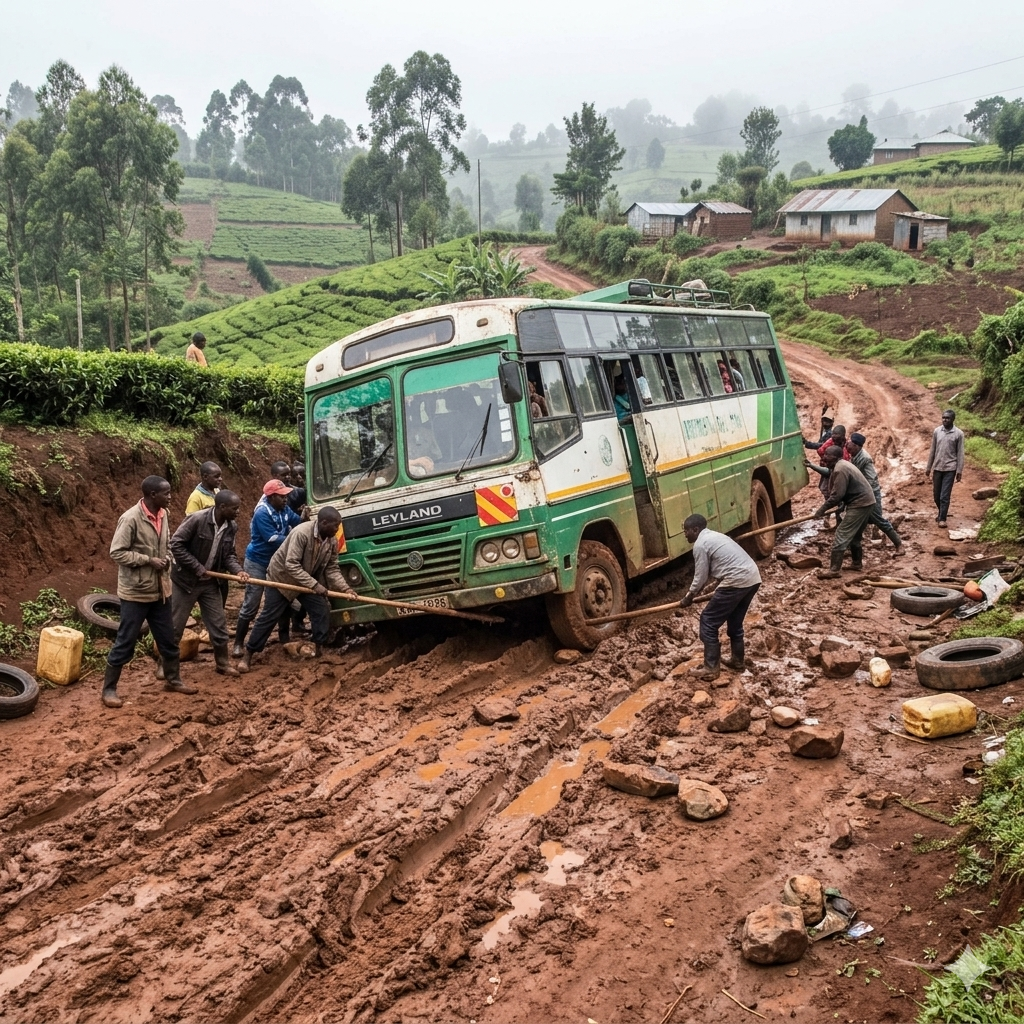
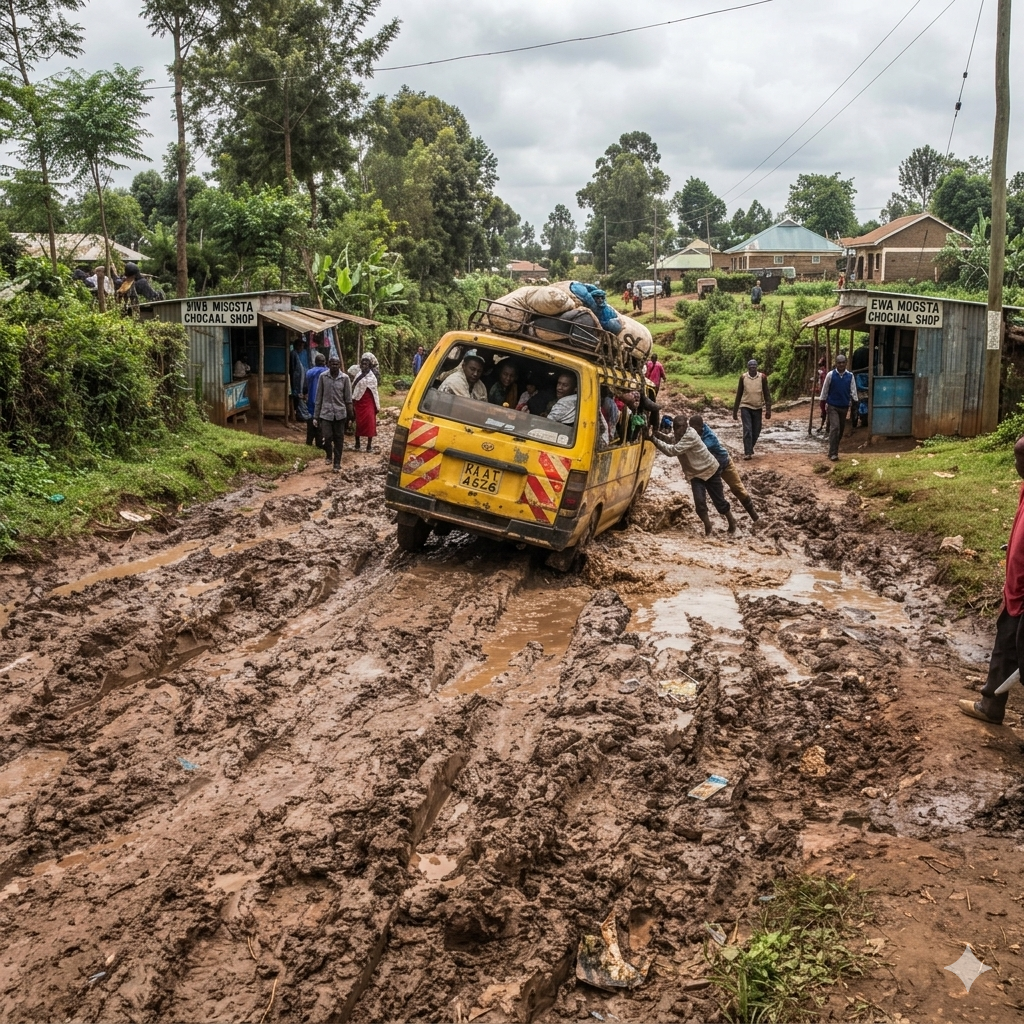
Heavy rainfall damages roads lacking proper drainage. Water weakens road foundations and accelerates surface deterioration. Therefore, roads become impassable during rainy seasons.
Corruption and Mismanagement
Misuse of public funds affects the quality of road construction projects. In some cases, contractors use substandard materials. As a result, roads fail long before their expected lifespan.
Rapid Population Growth
Kenya’s growing population increases traffic volumes every year. However, road expansion has not matched rising demand. Consequently, congestion and road damage continue to worsen.
Overloaded Heavy Vehicles
Many trucks exceed legal weight limits. Excessive loads place enormous pressure on road surfaces. Therefore, highways and feeder roads deteriorate much faster.
Effects of Poor Road Infrastructure in Kenya
Reduced Economic Growth
Poor roads increase transportation costs for businesses. Consequently, farmers spend more delivering produce to markets. Moreover, damaged roads delay the movement of goods across the country.
Frequent Road Accidents
Potholes, poor lighting, and missing road signs contribute to many accidents. Drivers often lose control while avoiding damaged sections. Therefore, road safety becomes a serious concern.
Limited Access to Essential Services
Communities in remote areas struggle to access healthcare facilities and schools. During heavy rains, some roads become completely inaccessible. As a result, emergency services experience significant delays.
Traffic Congestion
Damaged roads reduce traffic flow, especially in major towns and cities. Consequently, commuters spend more time traveling. Additionally, fuel consumption increases because vehicles remain stuck in traffic.
Higher Vehicle Maintenance Costs
Poor roads damage vehicle suspension systems, tires, and engines. Therefore, motorists spend more on repairs and maintenance. This financial burden affects individuals and businesses alike.
Impact on Agriculture and Rural Communities
Agriculture remains one of Kenya’s largest economic sectors. However, poor road infrastructure limits farmers’ ability to transport fresh produce quickly. Consequently, many products spoil before reaching markets.
Furthermore, rural businesses struggle to access suppliers and customers. Investors also avoid regions with poor transport networks. Therefore, local economic development slows considerably.
Environmental Consequences of Poor Roads
Poor roads create environmental challenges as well. Vehicles consume more fuel while navigating rough surfaces. Consequently, carbon emissions increase significantly.
Additionally, poor drainage causes soil erosion and flooding. Therefore, nearby farms and residential areas often suffer environmental damage during rainy seasons.
Government Efforts to Improve Road Infrastructure
The Kenyan government has launched several road improvement programs over the years. New highways, bypasses, and rural access roads have enhanced connectivity in many regions. Furthermore, partnerships with development agencies continue to support infrastructure projects.
However, consistent maintenance remains essential. Without regular repairs, newly constructed roads will eventually deteriorate. Therefore, sustainable funding should support long-term road maintenance.
Practical Solutions to Poor Road Infrastructure in Kenya
Increase Investment in Road Maintenance
Routine inspections and timely repairs can prevent expensive reconstruction projects. Therefore, maintenance budgets should receive greater priority.
Strengthen Quality Control
Government agencies should enforce strict construction standards. Moreover, contractors must remain accountable for the quality of completed projects.
Improve Drainage Systems
Modern drainage infrastructure protects roads from water damage. Consequently, roads remain usable throughout the year.
Control Vehicle Overloading
Authorities should enforce axle-load regulations consistently. As a result, roads will experience less structural damage.
Promote Transparency
Public infrastructure projects should operate with greater accountability. Therefore, transparent procurement processes can reduce corruption and improve project quality.
Expand Rural Road Networks
Improving feeder roads connects farmers to markets more efficiently. Consequently, rural communities gain better access to education, healthcare, and employment opportunities.
The Future of Road Infrastructure in Kenya
Kenya has enormous potential to build a reliable transport network. Continued investment, effective planning, and regular maintenance can transform the country’s infrastructure. Furthermore, modern technologies can improve road construction quality and monitoring.
Public participation also plays an important role. Citizens should report damaged roads and encourage responsible use of public infrastructure. Together, government agencies, private investors, and communities can create lasting improvements.
Leave a Reply